

Houtouwan: The Chinese Fishing Village Swallowed by the Sea of Green

A fishing village 64 km from Shanghai held 2,000 people in the 1980s. By 2002 it was empty. Then the vines arrived, and sealed every window, roof, and door shut.
The 38th Parallel: The Most Militarized Border on Earth

Two colonels, one map, thirty minutes — and Korea was split in half. The story of the line that started a war, killed millions, and still divides a nation today.
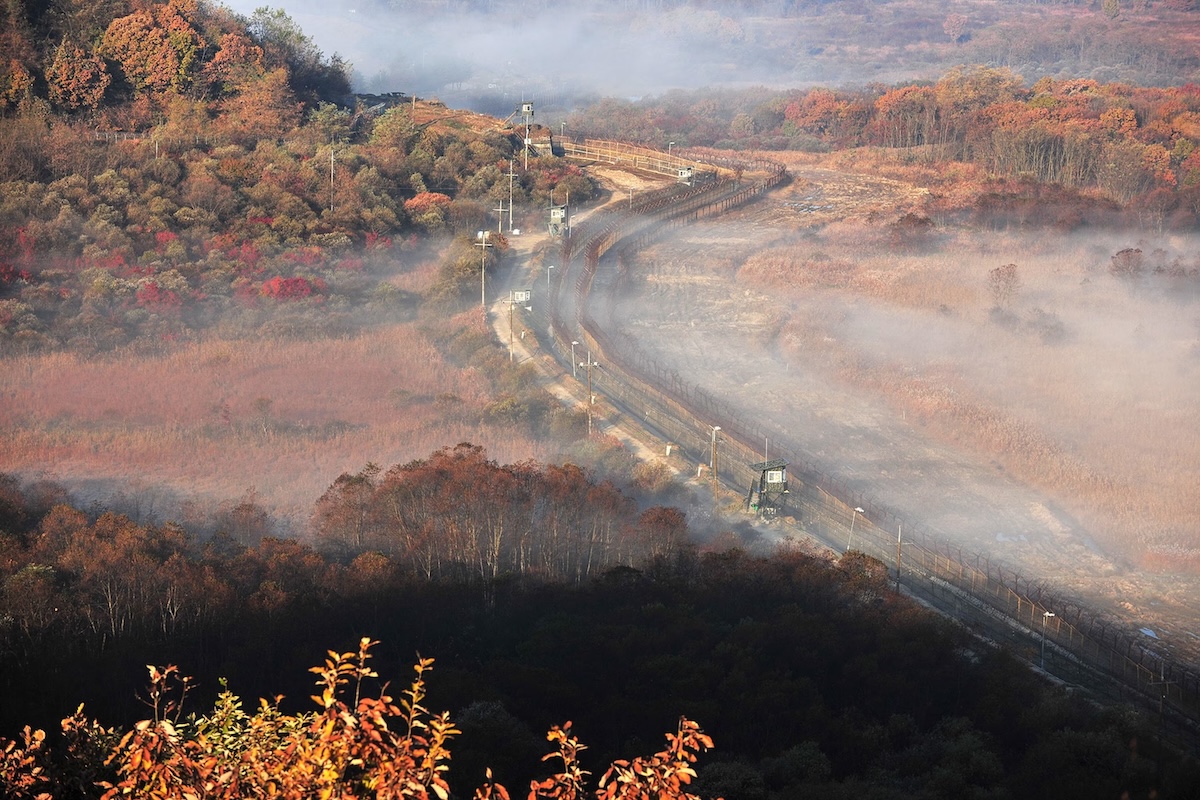
Danvers State Hospital: The Birthplace of the Lobotomy and the Inspiration behind Arkham Asylum
Built in 1878 to cure mental illness through sunlight, Danvers State Hospital inspired Arkham and became synonymous with ice-pick lobotomies. What went wrong?
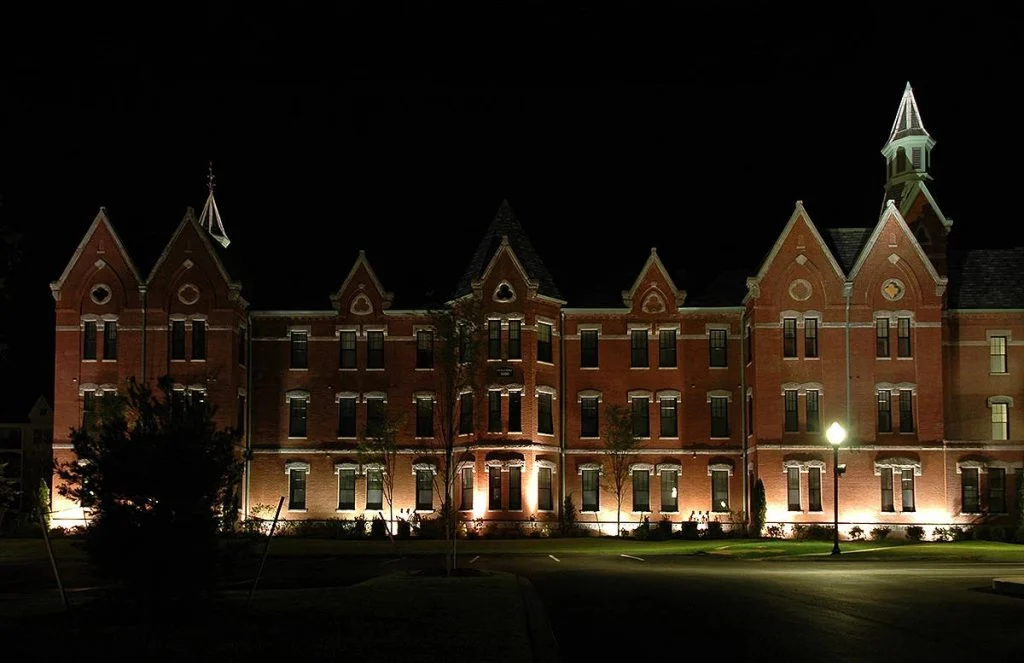
Dharavi: Asia's Largest Slum and Its Billion-Dollar Economy
Nearly a million people built a billion-dollar economy in 2.1 square kilometers without a single urban planner. In 2022, India handed its demolition to its richest man.
.jpeg)


The Dark Atlas: Abandoned, Tragic, and Forbidden Places — and the Stories Behind Them
A collection of real-world locations where power, tragedy, secrecy, and conflict shaped history.



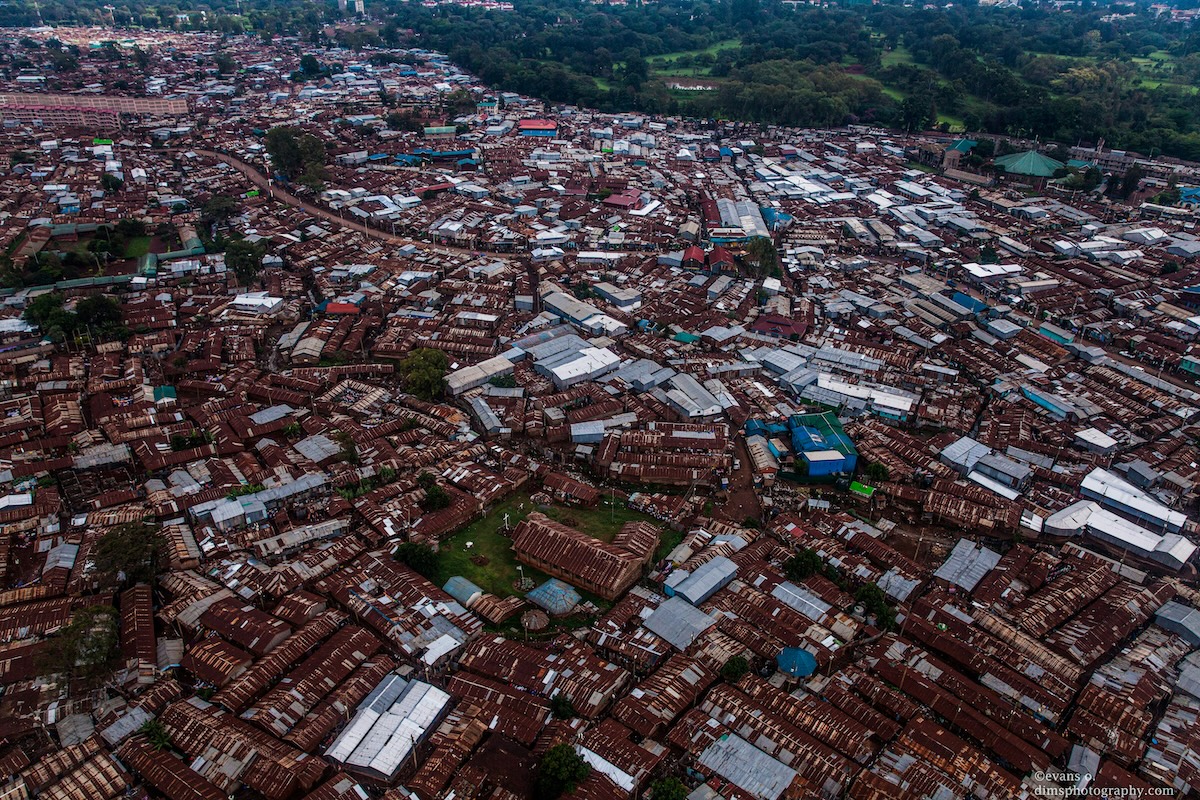


Or Explore by Region
Discover the world’s most haunting dark tourism destinations and hidden places, organized by region across the globe.
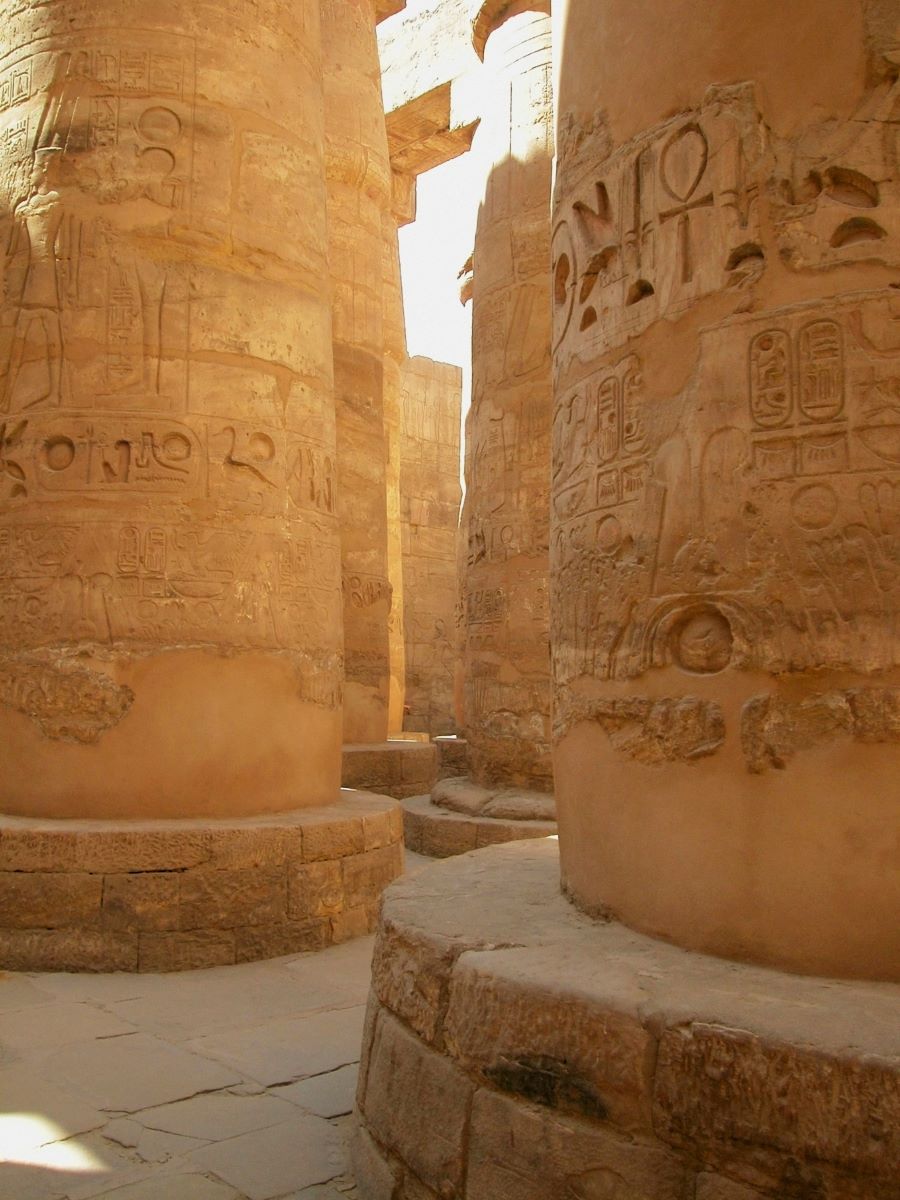

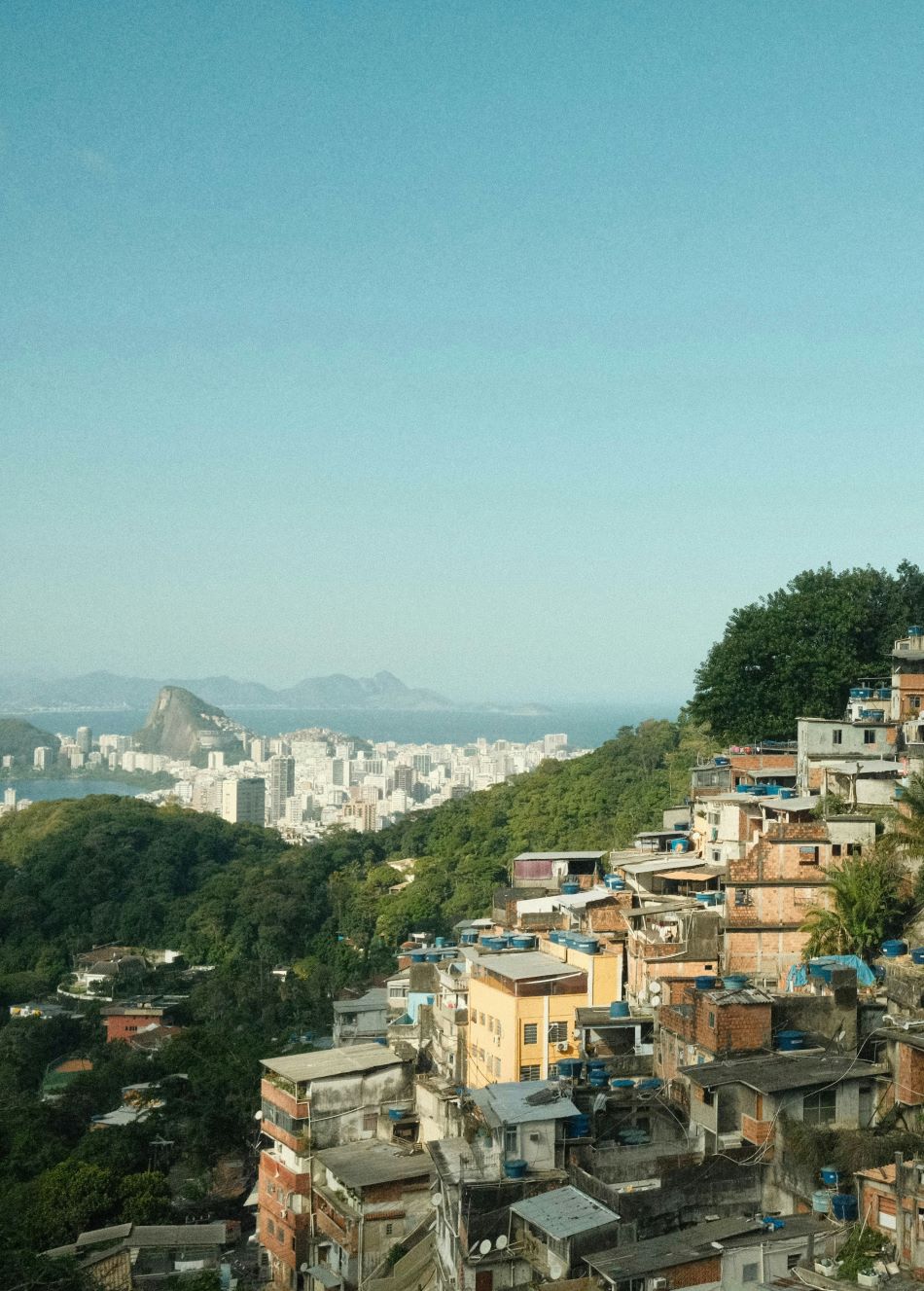
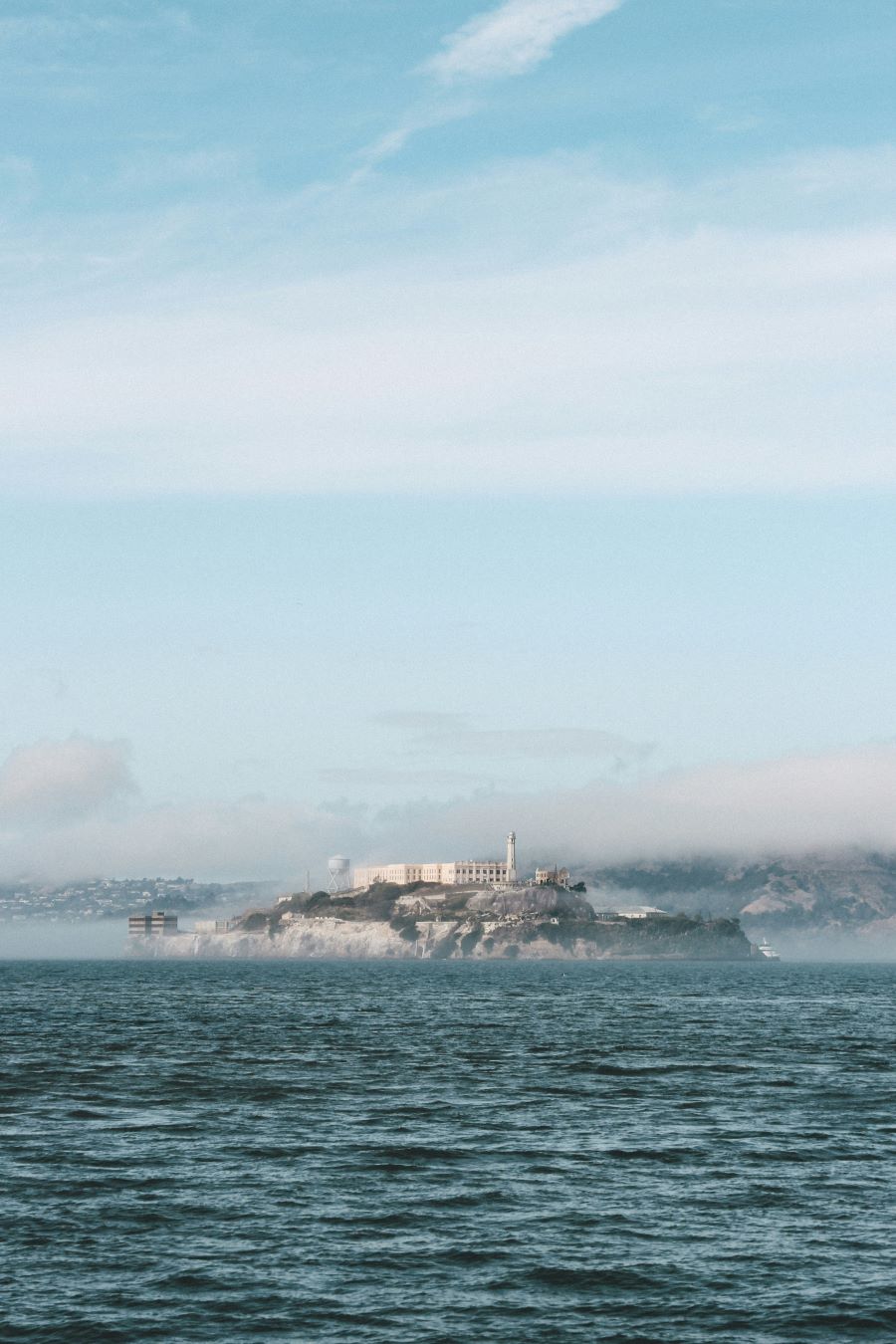
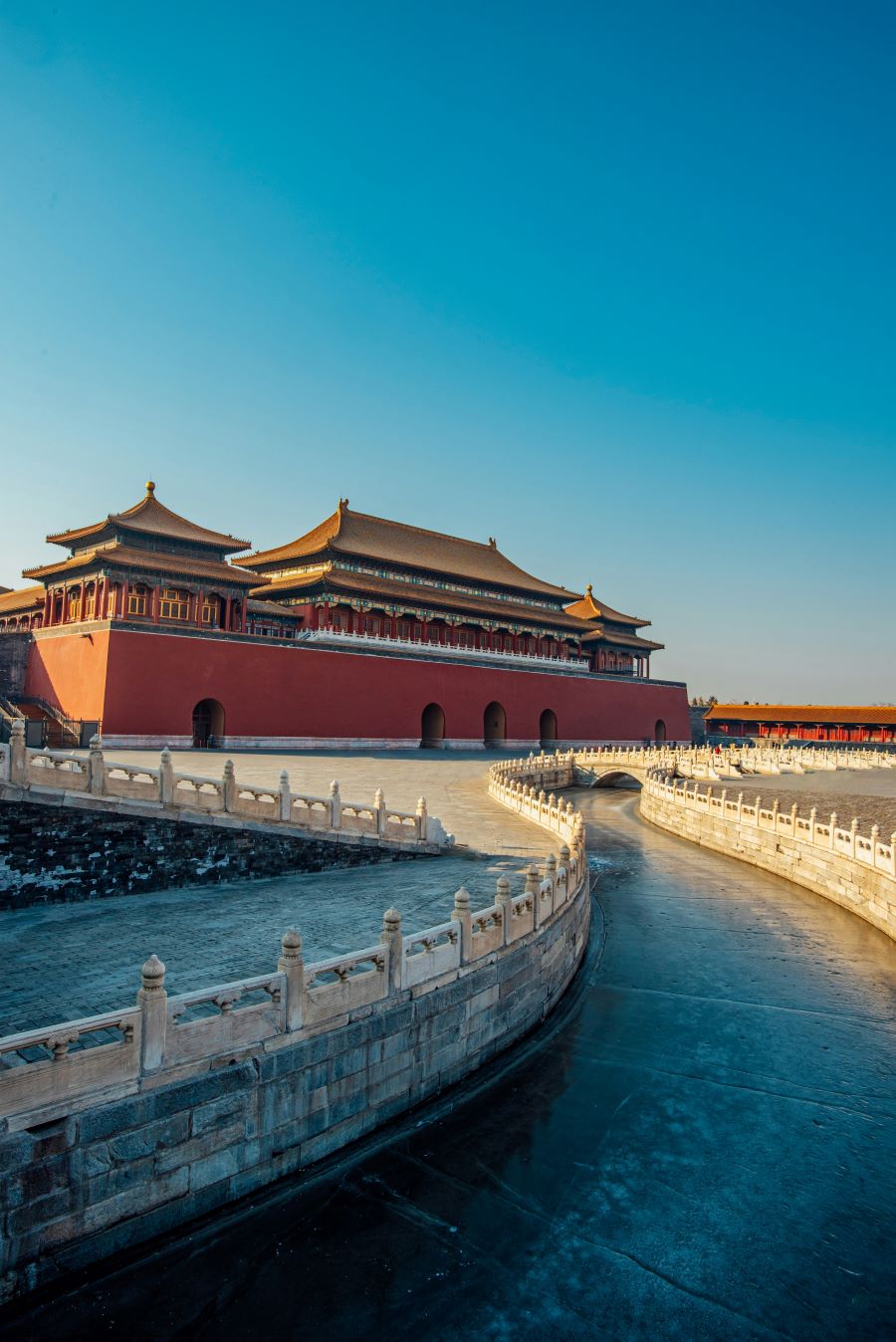
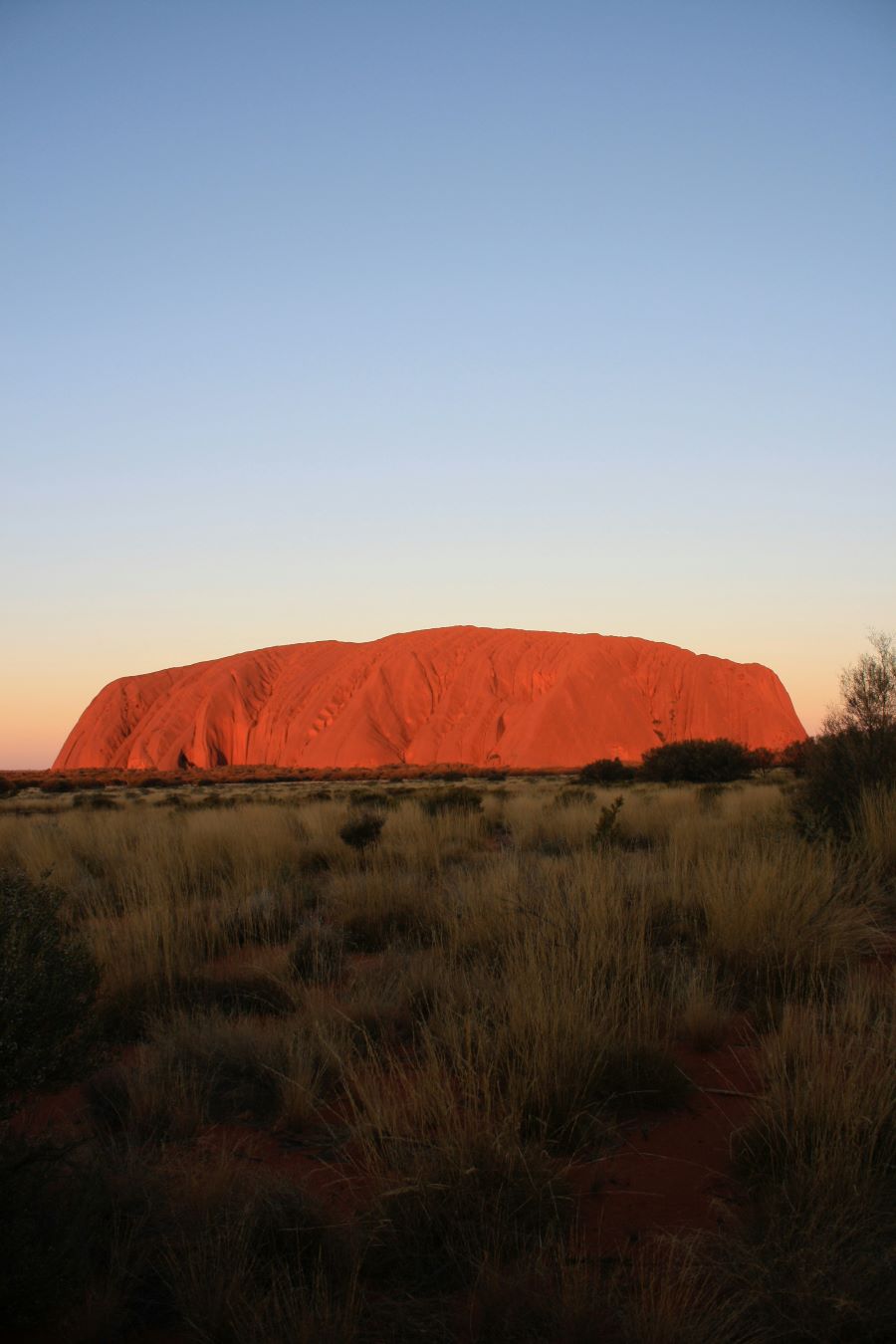
All our stories, guides, and explorations in one place.

Frequently Asked Questions
Find quick answers to common questions about The Dark Atlas, our stories, and how we explore the world of dark tourism.
What is The Dark Atlas?
The Dark Atlas is a website dedicated to the world's "dark" places. We document locations marked by tragedy, abandonment, or mystery—from famous tourism destinations to remote shipwrecks. We write about them to educate people on the events that happened there, provide historical context, and explain if (and how) it is possible to visit these places today.
What kind of stories does The Dark Atlas cover?
The Dark Atlas shares stories of haunted places, abandoned cities, war ruins, hidden histories, crime underworlds, and dark legends. Each article blends historical fact with atmosphere, creating a guide to the world’s most mysterious sites.
We cover a broad spectrum of the "dark" human experience. This includes:
- Historical Tragedies: War memorials, battlefields, and sites of conscience.
- Abandonment: Ghost towns, industrial ruins, and forgotten infrastructure.
- Natural & Man-Made Disasters: Places like Pompeii or the Chernobyl Exclusion Zone.
- The Inaccessible: Places you can learn about but perhaps cannot visit, such as restricted zones or underwater wrecks.
What is dark tourism?
Dark tourism (academically known as Thanatourism) is the practice of visiting locations where significant historical events involving suffering, death, or the macabre have occurred. Unlike leisure tourism, the primary focus here is the location's association with events such as wars, genocides, shipwrecks, or natural disasters, rather than the scenery or entertainment value.
You can read more about these locations in our full guide: What is Dark Tourism?
Why do people visit dark tourism sites?
People are drawn to dark tourism for many reasons: educational purposes, a desire for authentic historical connection, paying respect to past tragedies, exploring abandoned places and Memento Mori (a reminder of one’s own mortality). Visitors often find these experiences deeply moving and life-affirming, as they provide a stark contrast to typical leisure travel.
Is dark tourism ethical?
Yes, when approached with respect and "solemn curiosity". Ethical dark tourism means acknowledging the significance of tragic sites without sensationalizing them.
The key lies in the traveler's intent: Are you there to learn and pay respects, or to take selfies?
The Dark Atlas provides historical context and encourages thoughtful exploration rather than exploitation.
Can I visit every place marked on The Dark Atlas?
Not necessarily. While many locations on our map are established dark tourism sites (museums, memorials), others are documented purely for educational purposes. Some locations, such as certain shipwrecks, protected reserves, or structurally unsafe ruins, are listed to preserve their story, even if physical tourism is not possible or recommended.


